
Are you curious about the differences between kerosene vs propane and which one you should use in a survival situation? Wondering about their uses, cost-effectiveness, and safety? We got you covered here at NPP.
In this article, we’re digging into the chemical composition, energy density, combustion temperature, storage and transportation methods, as well as the precautions to take when using kerosene and propane.
But first, we want to establish a fact: when it comes to an emergency situation or a SHTF situation, you will need a heat/fuel source.
So make sure you review the facts below before you actually need them.
What Is Kerosene?
Kerosene is a type of fuel that is commonly stored in gallons and used for various applications due to its energy efficiency and cleanliness.
Kerosene is prized for its high energy content, making it an efficient choice for heating homes, powering lamps, and fueling stoves.
It requires minimal maintenance compared to other fuels, reducing the need for constant attention.
Kerosene burns cleaner than some alternative options, emitting fewer pollutants and soot.
Its shelf life can span many years when stored properly, providing a reliable source of energy when needed. The standard shelf life when stored properly is about 5 years.
What Is Propane?
Propane is a versatile fuel known for its high energy content per BTU, cost-efficiency, and portability, making it a popular choice for various applications.
Due to its exceptional energy density, propane offers an efficient source of energy, producing a significant amount of heat compared to its volume.
This attribute makes it cost-effective as it requires less fuel quantity to achieve the desired heating level, resulting in reduced overall costs. Its portability allows for easy transportation and storage, which is advantageous for both residential and industrial use.
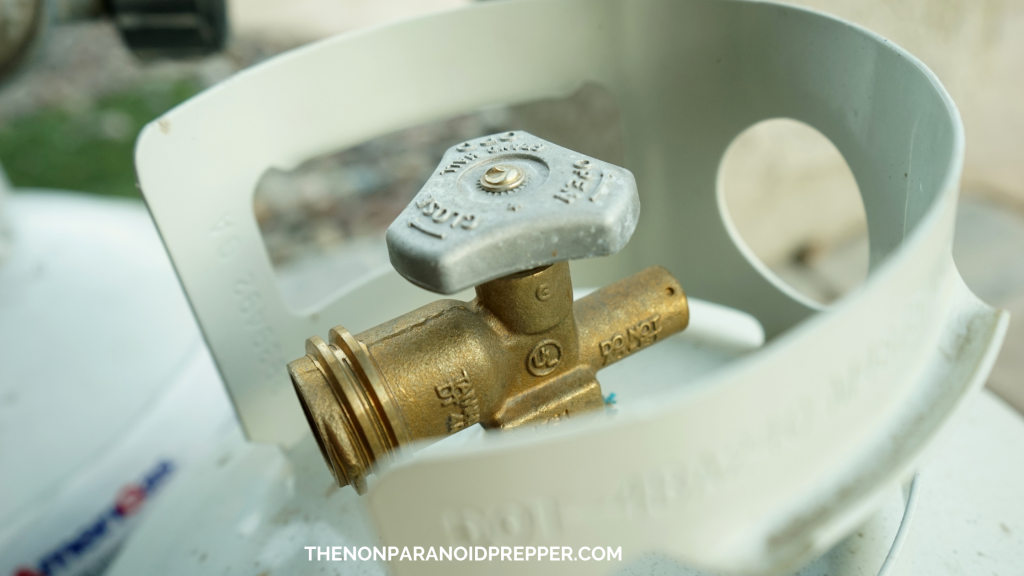
In terms of storage, propane is typically stored in tanks or cylinders, requiring appropriate ventilation and safety measures to prevent hazards.
What Are The Uses Of Kerosene?
Kerosene finds widespread use in indoor heaters during power outages or as a supplemental heat source, but precautions must be taken to ensure proper ventilation and maintenance.
Indoor heaters powered by kerosene are essential for providing warmth in cold weather or emergency situations where electricity is unavailable. They offer a reliable heat source, especially in areas prone to frequent power outages.
One of the main concerns with using kerosene indoors is the release of moisture. Improper ventilation can lead to a build-up of humidity, potentially causing mold and mildew issues. Therefore, it is crucial to ensure adequate airflow when using kerosene heaters.
What Are The Uses Of Propane?
Propane is utilized in various heating systems, catering to both occasional and regular usage scenarios, with options for bulk storage in underground tanks for long-term supply.
One of the key advantages of utilizing propane for heating purposes is its versatility in catering to different needs. Whether it’s an occasional need for a portable heater during outdoor events or a regular source of warmth for residential or commercial spaces, propane offers reliable and efficient heating solutions.
Propane’s ability to be stored in underground tanks is a cost-effective and space-saving method for ensuring a consistent supply. This storage option not only enhances safety by keeping the tanks out of sight but also minimizes the risk of theft or tampering.
When compared to bulk kerosene usage, propane stands out for its clean-burning properties, lower emissions, and higher energy efficiency. These characteristics make propane a more environmentally friendly choice for heating applications, contributing to reduced carbon footprint and improved air quality.
What Are The Differences: Kerosene vs Propane?
Kerosene vs propane: they differ in their chemical composition, combustion temperatures, fuel-related costs, cost per BTU, and accessibility, impacting their suitability for various applications.
For starters, kerosene is a liquid derived from petroleum, while propane is a gas extracted during natural gas processing or oil refining. This variance in physical state affects their combustion characteristics, with kerosene requiring a wick for combustion and propane needing pressure to convert into a gas.
Regarding costs, kerosene generally tends to be cheaper than propane, making it a more budget-friendly heating option. In terms of cost efficiency per BTU, propane often edges out kerosene due to its higher heating value. Accessibility-wise, propane is more widely available in rural areas compared to kerosene, which can influence the choice of fuel depending on location and infrastructure.
Chemical Composition
The chemical composition of kerosene and propane sets them apart, with kerosene being a liquid hydrocarbon fuel and propane existing as a gas at standard temperature and pressure.
Kerosene, also known as paraffin oil, is a complex mixture of hydrocarbons derived from crude oil distillation. Its molecular structure typically consists of carbon chains ranging from 10 to 16 carbon atoms per molecule.
In contrast, propane is a simple three-carbon alkane compound that is commonly used as a clean-burning fuel. Propane molecules are composed of three carbon atoms surrounded by eight hydrogen atoms. This distinction in molecular complexity contributes to their differences in physical state – kerosene as a liquid and propane as a gas under typical conditions.
Energy Density
Energy density is a key differentiator between kerosene and propane, with propane offering higher BTU content per unit volume compared to kerosene.
Propane stands out for its impressive ability to pack more heat energy in a smaller volume, making it a popular choice for various applications requiring efficient fuel sources. The higher energy density of propane translates to greater fuel efficiency, allowing users to achieve desired heat output with less fuel consumption compared to kerosene.
Combustion Temperature
Let’s talk about kerosene vs propane when it comes to temp.
Kerosene and propane exhibit varying combustion temperatures, influencing their efficiency and heat output when used in heating systems.
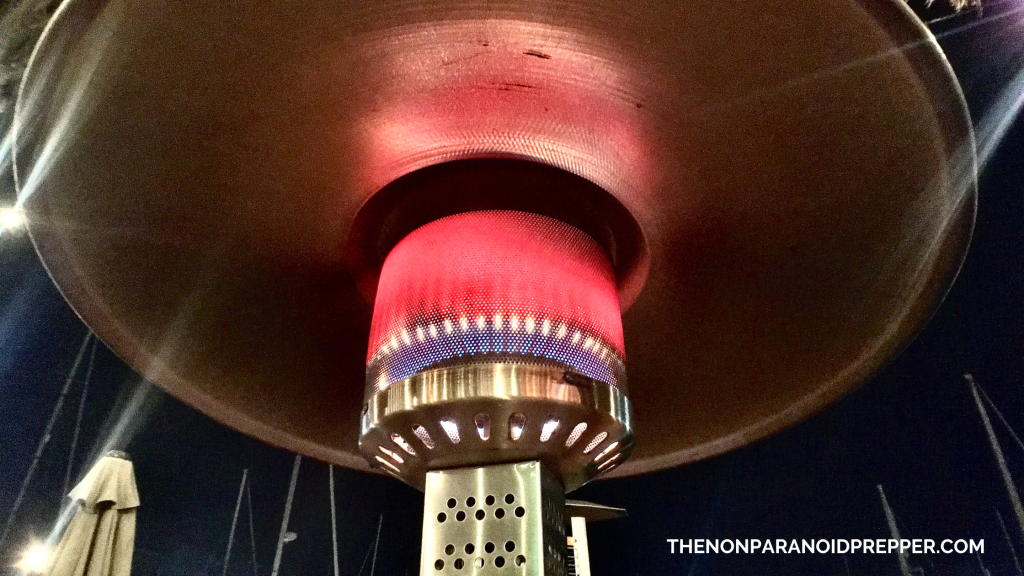
Propane, known for its lower combustion temperature compared to kerosene, enables quicker heat generation, making it a popular choice for portable heaters and outdoor cooking appliances. On the other hand, kerosene’s higher combustion temperature allows for more sustained and consistent heat production, making it suitable for larger indoor heating systems.
Temperature control is crucial in optimizing the performance of these fuels in heating applications. Proper management of combustion temperatures not only enhances efficiency but also prolongs the lifespan of the heating equipment and reduces emissions.
Storage and Transportation
Storage and transportation considerations differ for kerosene and propane, with factors like shelf life, additives, and condensation affecting their usability and safety.
For both kerosene and propane, proper storage plays a crucial role in ensuring the quality of the fuel. Kerosene should be stored in a cool, dry place away from direct sunlight and heat sources.
It is recommended to use containers specifically designed for kerosene to prevent leaks and contamination.
Propane storage requires strict adherence to safety guidelines due to its highly flammable nature. Additives such as stabilizers are often used to extend the shelf life of both fuels by preventing oxidation and degradation.
Which Is More Cost-Effective: Kerosene Or Propane?
Determining the cost-effectiveness of kerosene versus propane involves evaluating fuel-related costs, price per gallon, and cost per BTU to make an informed comparison.
When comparing the two fuels, it is essential to consider that kerosene generally has a lower price per gallon compared to propane, making it initially more cost-effective for households.
Propane tends to provide more energy per unit, resulting in higher cost efficiency per BTU. This distinction highlights the importance of considering not just the price per gallon but also the heat output and overall efficiency of each fuel type to determine the most economical choice for heating or other uses.
Which Is Safer To Use: Kerosene Or Propane?
Ensuring safety when using kerosene or propane heaters involves adhering to specific precautions, such as proper ventilation to minimize the risk of carbon monoxide exposure, especially in indoor settings.
Proper ventilation is crucial when using kerosene or propane heaters as it helps dissipate harmful fumes and reduces the risk of carbon monoxide poisoning.
Carbon monoxide is a colorless, odorless gas that can be deadly if inhaled in high concentrations, making it essential to have good airflow in the area where these heaters are being used.
It is recommended to never use these heaters in enclosed spaces or bedrooms, and always ensure that there are carbon monoxide detectors installed in your home for added safety measures.
What Are The Environmental Impacts Of Kerosene And Propane?
The environmental impacts of kerosene and propane usage extend to air pollution concerns, energy efficiency considerations, and potential issues related to condensation and carbon dioxide emissions.
When comparing the two fuels, kerosene is known for its higher emissions of pollutants such as sulfur dioxide, nitrogen oxides, and particulate matter, which contribute significantly to poor air quality and respiratory problems.
On the other hand, propane combustion releases fewer harmful substances into the atmosphere, making it a better choice in terms of environmental friendliness.
Moreover, energy efficiency plays a crucial role in determining the sustainability of fuel sources. Propane generally boasts higher energy efficiency ratings compared to kerosene, translating into more effective energy utilization and reduced wastage.
What Are The Precautions To Take When Using Kerosene And Propane?
Taking precautions while using kerosene or propane involves ensuring proper ventilation, regular maintenance of equipment, and safe practices for storage and handling to prevent accidents or fuel-related issues.
Proper ventilation is crucial when using kerosene or propane indoors to prevent build-up of harmful fumes.
- Ensure windows and doors are open to allow fresh air circulation.
- Regularly inspect equipment for any leaks or damages, and promptly repair or replace faulty parts.
- Store kerosene and propane in well-ventilated areas away from ignition sources and children.
- Follow safe handling practices such as using approved containers and wearing protective gear when refilling fuel tanks.
- Always keep fire extinguishers nearby in case of emergencies.
Proper Ventilation
Proper ventilation is crucial when using kerosene or propane heaters to prevent the accumulation of carbon monoxide and ensure indoor air quality remains safe.
When operating these heaters, it’s essential to keep windows slightly open to allow fresh air to enter and help to ventilate the space effectively. Installing a carbon monoxide detector nearby is highly recommended to alert you of any potential leaks.
Regular maintenance of the heaters, such as cleaning filters and checking for leaks, is vital in reducing the risk of carbon monoxide poisoning.
Proper ventilation is not only about safety but also contributes to a more comfortable and healthier indoor environment.
Regular Maintenance Of Equipment
Regular maintenance of kerosene and propane equipment is essential to ensure safe operation, prevent malfunctions, and prolong the lifespan of heating devices.
By conducting routine checks and cleaning, users can avoid potential hazards and maintain efficient performance. It is crucial to inspect components for wear and tear, leaks, and blockages.
Following manufacturer guidelines for maintenance schedules and procedures is imperative to guarantee optimal functioning. Regular upkeep not only enhances safety but also improves energy efficiency, saving costs and reducing environmental impact.
Neglecting kerosene and propane equipment maintenance can lead to dangerous situations and diminish the longevity of heating systems.
Proper Storage And Handling
Proper storage and handling practices for kerosene and propane include considerations for shelf life, the role of additives, and safe procedures to minimize the risks of accidents or fuel degradation.
One crucial aspect of keeping kerosene and propane in top condition is maintaining a consistent temperature.
Fluctuations in temperature can lead to evaporation or changes in chemical composition, affecting the fuel’s performance. Using high-quality containers specifically designed for storing fuel helps prevent contamination and leakage. It is also advisable to label containers clearly and keep them in well-ventilated areas away from heat sources or direct sunlight.
Frequently Asked Questions
What is the difference between kerosene and propane?
Answer: Kerosene and propane are two different types of fuel commonly used for heating and cooking. The main difference between them lies in their chemical composition and how they are used.
Which is more efficient: kerosene or propane?
Answer: This depends on the specific application. Kerosene is more efficient for heating, while propane is more efficient for cooking. This is because kerosene has a higher energy content, but propane burns cleaner and hotter.
Can I use kerosene in place of propane?
Answer: No, you should not use kerosene in place of propane. Kerosene is not designed for use in propane appliances and can be dangerous if used incorrectly. It is important to use the correct type of fuel for your specific appliance.
Which is safer to use: kerosene or propane?
Answer: Both kerosene and propane can be safe to use when handled properly. However, propane is generally considered to be safer due to its lower risk of carbon monoxide poisoning and lower flammability.
What are the advantages of using kerosene for heating?
Answer: Kerosene is a reliable and cost-effective fuel for heating, especially in colder climates. It also produces less odors and emissions compared to other fuels, making it a cleaner option.
Can I switch between using kerosene and propane?
Answer: Yes, you can switch between using kerosene and propane, as long as your appliances are designed to use both fuels. However, it is important to make sure that your appliances are properly maintained and adjusted for each type of fuel.